Introduction
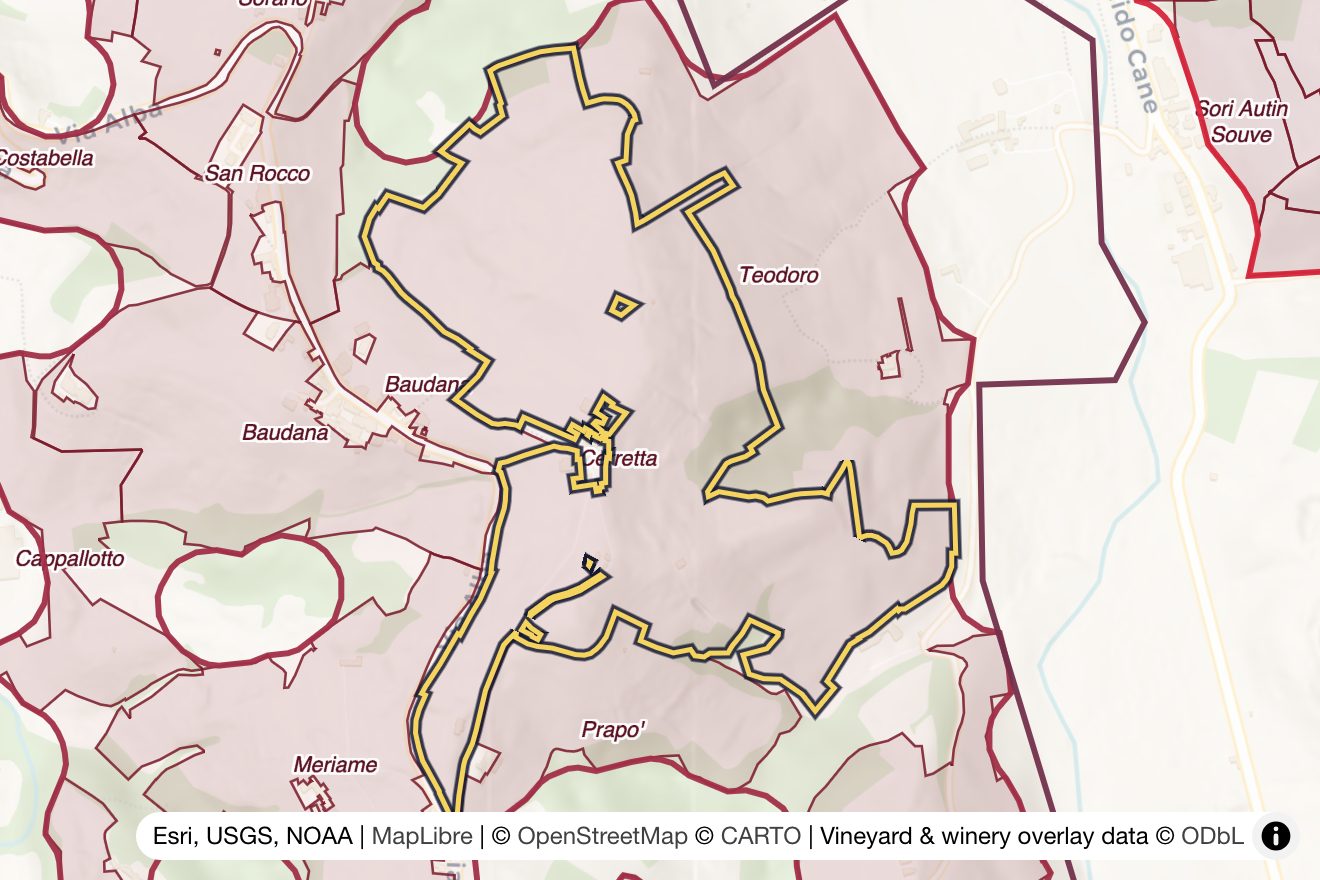
The site exemplifies the characteristics that have made Serralunga d'Alba synonymous with some of Barolo's most structured, age-worthy expressions of Nebbiolo (a commune whose wines have historically represented the denomination's most powerful and tannic interpretations, requiring extended cellaring to reveal their complex personalities.
The Serralunga Context
To understand Cerretta is to understand Serralunga d'Alba itself. This commune, one of the five core townships that form the historic heart of Barolo (alongside La Morra, Barolo, Castiglione Falletto, and Monforte d'Alba), has developed a distinct identity within the denomination. Serralunga's viticultural history includes notable estates such as Fontanafredda, developed around a hunting lodge by Emanuele, Count of Mirafiori, the son of King Vittorio Emanuele II and his mistress Rosa Vercellana. This royal connection contributed to Barolo's enduring sobriquet as "the wine of kings, the king of wines."
The recognition of individual vineyard sites in Barolo has followed a complex evolution. Unlike Burgundy with its formally codified cru system, Barolo's finest vineyards have been identified through a combination of written tradition) from Lorenzo Fantini's late 19th-century observations through modern authorities like Luigi Veronelli, Renato Ratti, and Alessandro Masnaghetti (and the practical wisdom encoded in the prices that négociants have historically paid for grapes and wines from privileged positions. The introduction of the MGA system created an official registry of single vineyards throughout the Barolo zone, identifying them as crus without ranking them hierarchically. Cerretta's inclusion in most informed discussions of Serralunga's finest sites reflects decades of accumulated knowledge about which vineyards consistently produce distinctive, high-quality wines.
Terroir and the Serralunga Character
While specific geological and pedological data for Cerretta remains less extensively documented than for some more famous Barolo sites, the vineyard shares the fundamental terroir characteristics that define quality viticulture in Serralunga d'Alba. The commune's vineyards typically exhibit soils with the moderate fertility and well-regulated water availability that contemporary terroir research) building on the foundational work of Dr. Gérard Seguin at the University of Bordeaux (has identified as essential for producing wines of complexity and longevity.
The physical attributes of soil have been shown to predominate over chemical characteristics in determining wine quality, particularly in marginal climates like those of premium European wine regions. In Barolo's continental climate, where vintage variation can be significant and vine stress must be carefully managed, the soil's ability to regulate water availability during the growing season becomes crucial. Serralunga's vineyards generally benefit from excellent drainage and exposure, factors that become particularly important during wetter vintages and that allow the late-ripening Nebbiolo variety to achieve full phenolic maturity before harvest.
The elevation and aspect of Serralunga's vineyard sites contribute significantly to the commune's distinctive wine profile. The interplay between vineyard floor management, training systems, and canopy management in each particular environment represents what modern viticulture describes as "managing terroir") the conscious adaptation of viticultural choices to optimize quality within a specific site's natural constraints and opportunities.
Wine Characteristics and Style
Cerretta produces wines that embody the classic Serralunga style: structured, powerful, densely concentrated Barolos that demand patience but reward it handsomely. These are not wines that offer easy early drinking; rather, they represent Barolo in its most formidable guise, built for extended cellaring and gradual evolution. The tannic architecture typical of Serralunga crus like Cerretta provides both the backbone for aging and, eventually, the framework for remarkable complexity.
In the broader context of Barolo's stylistic spectrum, wines from Cerretta and other Serralunga sites typically display more obvious structure and power than the more perfumed, elegant expressions often found in La Morra or the western areas of the denomination. Where La Morra crus like Cerequio or Brunate might offer earlier accessibility and aromatic lift, Serralunga sites generally produce wines of greater density and grip. This distinction reflects not just soil and exposure differences but also the accumulated viticultural wisdom about which sites can reliably ripen Nebbiolo to full maturity while maintaining the acidity essential for age-worthiness.
The commune's reputation for producing Barolo's most muscular wines has made Serralunga vineyards increasingly valuable in an era when consumer preferences have sometimes favored power and concentration. However, the finest expressions from sites like Cerretta transcend mere power, offering complexity, terroir specificity, and the kind of balanced structure that allows wines to evolve gracefully over decades rather than simply overwhelming the palate with extraction.
Recognition and Contemporary Status
The multiplicity of single-vineyard bottlings that emerged from the 1980s onward (a period of significant quality improvement and stylistic evolution in Barolo) had the paradoxical effect of focusing attention on individual producers rather than vineyard sites alone. Without an official classification to guide consumers, the reputation of the producer behind a bottling often mattered as much as or more than the vineyard name on the label. This dynamic has somewhat obscured the intrinsic quality of sites like Cerretta, which may not carry the immediate name recognition of Cannubi or Brunate but which consistently produces wines of comparable seriousness and aging potential.
Alessandro Masnaghetti's comprehensive work documenting and unofficially classifying Barolo's MGAs represents the most thorough modern attempt to codify the denomination's vineyard hierarchy. His inclusion of Cerretta among Serralunga's top sites reflects both historical reputation and contemporary performance (a recognition that this vineyard produces wines of genuine distinction rather than simply trading on geographical association with a famous commune.
The current state of Barolo production, with its emphasis on single-vineyard bottlings and terroir expression, has created both opportunities and challenges for sites like Cerretta. On one hand, the wine world's increased sophistication about Italian wine and greater willingness to explore beyond the most famous names means that serious wine enthusiasts are more likely to seek out and appreciate wines from lesser-known but high-quality sites. On the other hand, the economics of modern Barolo production) with Nebbiolo commanding high prices even for Langhe Nebbiolo bottlings (means that every vineyard site must justify its reputation with each vintage.
Conclusion
Cerretta occupies an interesting position in Barolo's hierarchy: widely recognized among those who know Serralunga d'Alba intimately, yet not carrying the fame of the denomination's most celebrated vineyards. This relative obscurity should not obscure the site's genuine quality. In the considered opinion of authorities from négociants who have paid premiums for its fruit to writers who have studied the zone's vineyard sites systematically, Cerretta produces wines that merit serious attention and extended cellaring.
For collectors and enthusiasts seeking to understand Serralunga d'Alba's contribution to Barolo, and particularly for those interested in wines built for the long term rather than immediate gratification, Cerretta represents an opportunity to experience the commune's characteristic power and structure in wines that may offer better value than more famous neighbors. As with all terroir-driven wines, the producer's skill and viticultural choices matter enormously, but the raw material that Cerretta provides) when farmed with care and vinified with respect for its intrinsic character, can yield Barolos of genuine distinction and impressive longevity.