Introduction
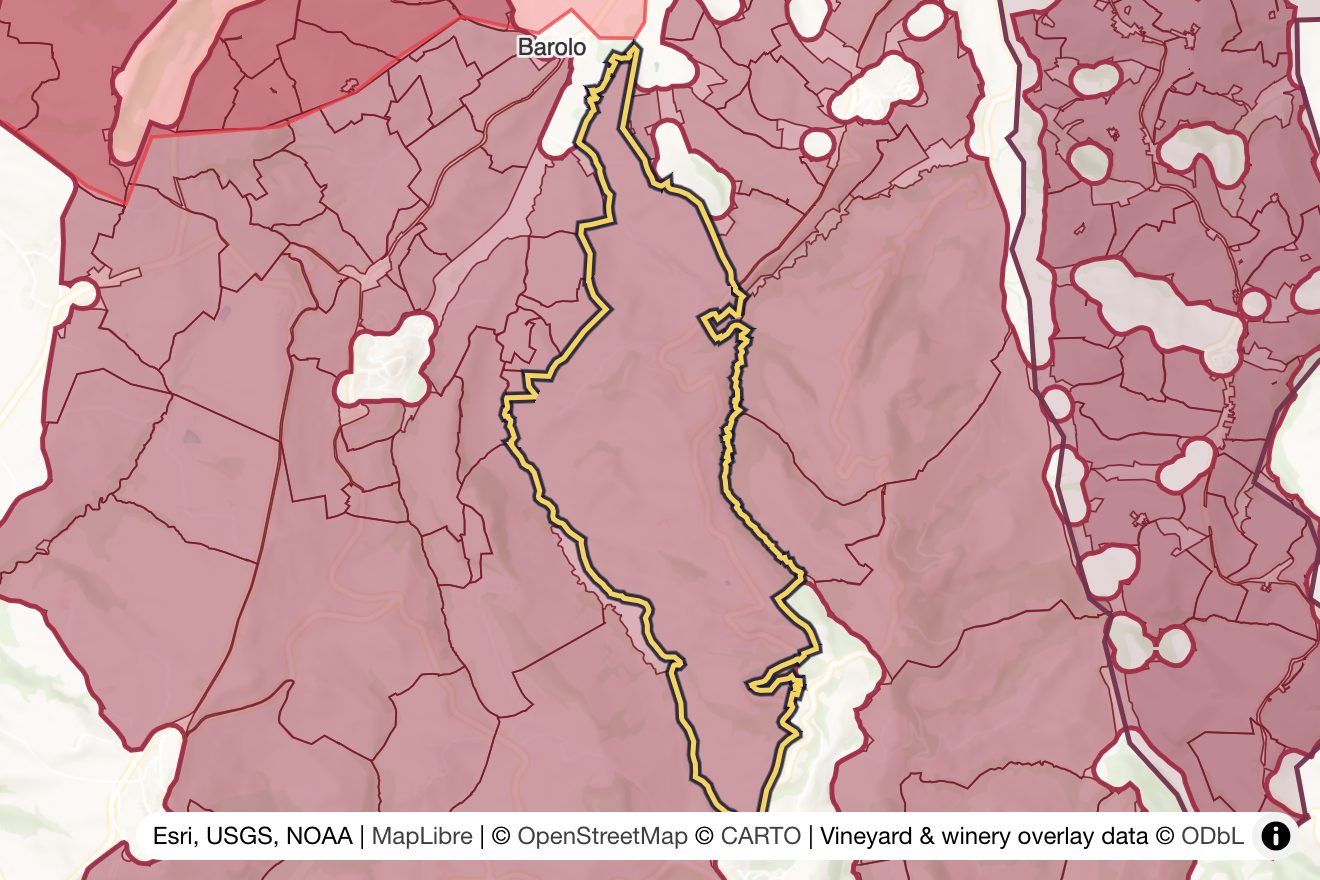
The site's importance was formally codified in 2010 with the introduction of the Menzioni Geografiche Aggiuntive (MGA) system within the Barolo DOCG regulations. Bussia was designated as a specified single vineyard MGA, one of the core sites that retained its individual identity rather than being absorbed into a larger geographical grouping. This official recognition acknowledged what generations of viticulturists and winemakers had long understood: Bussia possesses distinctive characteristics that merit separate identification on wine labels. Under current regulations, the designation "Barolo Bussia" signals wines sourced exclusively from this demarcated site, providing consumers with transparency regarding provenance that was previously absent.
Terroir and Site Characteristics
Bussia's terroir reflects the broader characteristics that define Monforte d'Alba's viticultural landscape while possessing nuances that distinguish wines from this site. Monforte d'Alba, the southernmost of Barolo's eleven communes, is characterized by complex geology and varied topography that creates a mosaic of distinct mesoclimates and soil compositions. The commune's vineyards generally occupy elevations that optimize Nebbiolo's long, deliberate ripening cycle, balancing sufficient heat accumulation with the moderating effects of altitude.
The soils of Monforte d'Alba, including those of Bussia, are predominantly derived from the Tortonian epoch of the Miocene period, consisting of calcareous marl formations. These soils are characterized by their limestone content and marine origins, a legacy of the ancient seas that once covered Piedmont. The calcareous component contributes to the structural definition and mineral character often associated with Monforte wines, while the clay fractions influence water retention and vine vigor. The physical attributes of these soils (their drainage characteristics, structural stability, and capacity to regulate water availability) play a crucial role in vine performance and, ultimately, wine quality.
Scientific research, particularly the foundational work of Professor Gérard Seguin in Bordeaux, has demonstrated that soil's physical characteristics often predominate over chemical composition in determining wine quality. Soils that produce exceptional wines typically share moderate fertility and well-regulated, moderately sufficient water supply rather than specific mineral compositions. This principle applies equally to Bussia, where the interaction between soil structure, drainage, and the vine's root architecture influences stress levels, canopy growth, and the concentration of compounds in the berries.
The aspect and elevation of Bussia's vineyards create mesoclimatic conditions that shape the growing season and harvest timing. The interplay between diurnal temperature variation, exposure to sunlight, and air circulation patterns all contribute to the site's distinctive expression. These factors influence not only the accumulation of sugars and the synthesis of phenolic compounds but also the preservation of acidity and the development of aromatic precursors during the extended ripening period that Nebbiolo demands.
Wine Characteristics
Wines from Bussia exemplify the power and structure characteristic of Monforte d'Alba while displaying refinement that distinguishes the commune's finest sites. The village of Monforte has long been recognized for producing Barolos of considerable concentration and tannic architecture, wines built for extended aging that reveal their complexity gradually over decades. Bussia captures this essential character while offering additional layers of sophistication.
The aromatic profile of Barolo Bussia typically encompasses the full spectrum of Nebbiolo's expression: red fruit notes of cherry and raspberry, darker tones of plum and blackberry, floral elements of rose and violet, and with age, the development of tar, tobacco, leather, truffle, and forest floor. The specific balance and intensity of these aromatics vary with vintage conditions, producer philosophy, and winemaking approach, but the fundamental character remains anchored in the site's terroir.
On the palate, Bussia demonstrates the structural intensity expected from Monforte. The tannins are substantial, providing the backbone necessary for extended cellaring. In youth, these wines can appear formidable, even austere, requiring patience to fully reveal their potential. The tannin structure, derived from both skin contact during maceration and extraction during fermentation, integrates slowly with the wine's other components. Acidity, essential to Nebbiolo's aging capacity and food compatibility, provides vertical lift and freshness that prevents the wine's power from becoming heavy or monotonous.
The textural dimension of Bussia wines merits particular attention. Great Barolo achieves a paradoxical combination of strength and elegance, weight and transparency. Bussia navigates this balance successfully, offering density without opacity, structure without rigidity. The mouthfeel evolves dramatically with age as tannins polymerize and soften, acids integrate, and secondary and tertiary flavors emerge.
Aging potential represents one of Bussia's defining attributes. Like all serious Barolo, wines from this site demand extended cellaring (typically ten to fifteen years minimum) before approaching their optimal drinking window. The greatest vintages can evolve gracefully for three, four, or even five decades, transforming from powerful, primary-fruit-driven wines in youth to complex, ethereal expressions that showcase Nebbiolo's remarkable capacity for development.
Historical Context and Recognition
The recognition of specific vineyard sites within Barolo has evolved considerably over the past century. Historically, most prestigious producers emphasized blending fruit from multiple vineyards to achieve complexity and consistency, a philosophy that continues with certain traditional houses. However, specific vineyards including Bussia developed reputations for exceptional quality long before any official classification system existed.
The movement toward single-vineyard bottlings accelerated during the 1980s, driven by producers who believed that transparent site identification would allow consumers to understand and appreciate Barolo's diversity. This proliferation of single-vineyard designations had a paradoxical effect: while it highlighted individual sites, it simultaneously reinforced the importance of individual producers, as consumers learned to associate quality with specific producer-vineyard combinations rather than vineyards alone.
The introduction of the MGA system in 2010 represented an attempt to bring order to this fragmented landscape, creating an official registry of recognized sites throughout the Barolo zone. While the system does not classify these sites hierarchically (all MGAs are simply identified as "crus" without ranking) it provides a framework for understanding Barolo's geographical complexity. Bussia's designation as a specified single-vineyard MGA, rather than being merged into a larger zone, acknowledges its historical importance and distinctive character.
Unofficial classification attempts, most notably by cartographer and Barolo expert Alessandro Masnaghetti, have sought to rank these sites, and Bussia consistently appears among the highest-rated vineyards. This critical consensus, combined with market recognition and the sustained quality demonstrated by wines from this site, confirms Bussia's position within Barolo's elite tier.
Conclusion
Bussia exemplifies the qualities that have established Monforte d'Alba as essential to understanding Barolo's greatness. Its recognition among the appellation's finest sites rests not on official classification but on the sustained excellence demonstrated vintage after vintage, the distinctive character imparted by its terroir, and the remarkable wines produced from its vineyards. For those seeking to comprehend Barolo's complexity and aging potential, Bussia offers an essential reference point: a site where power and elegance converge, where tradition and terroir speak with clarity and conviction.