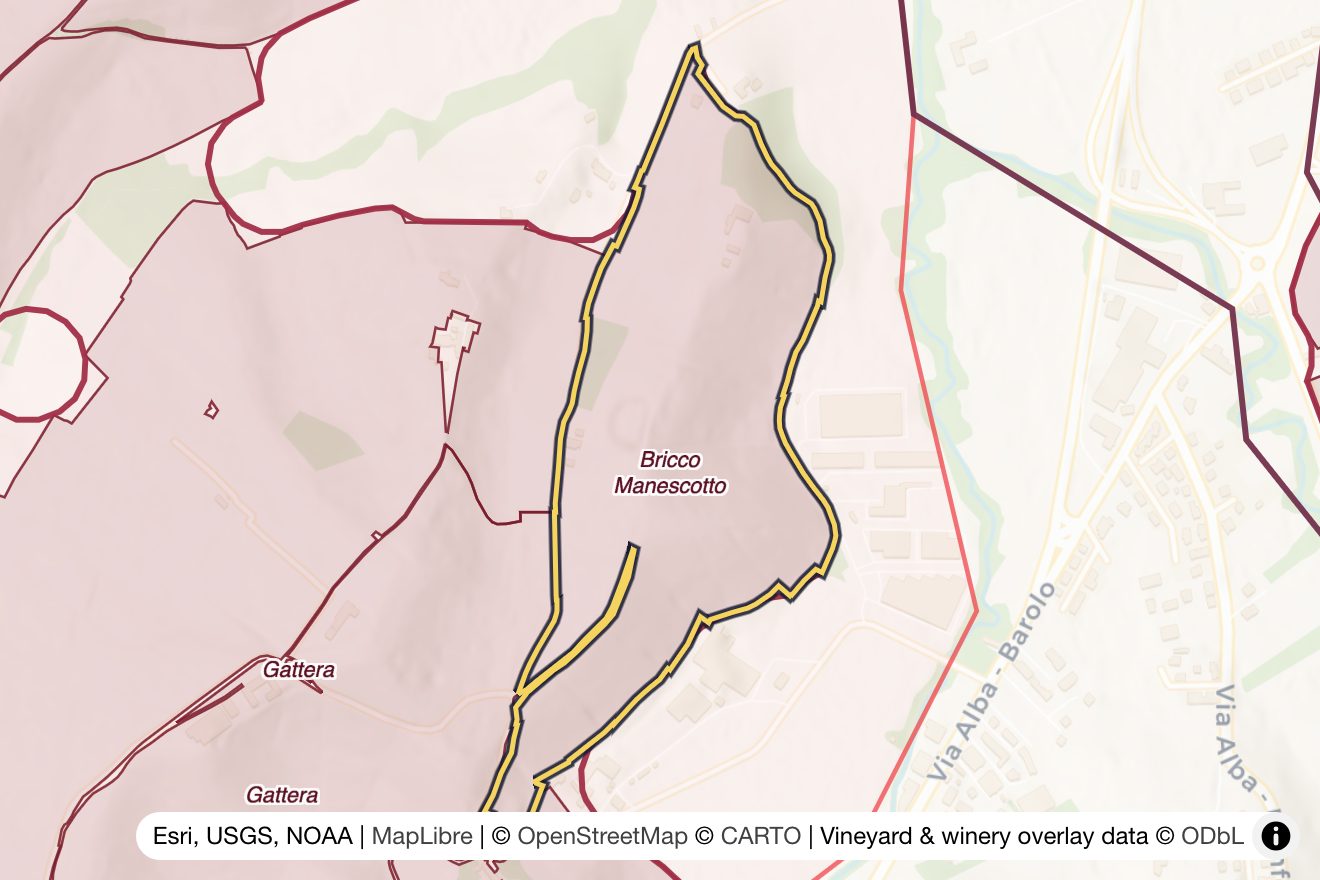
Introduction
The introduction of the MGA system addressed the proliferation of single-vineyard bottlings that emerged from the 1980s onward. Without an official classification system comparable to Burgundy's hierarchy, the MGA designation provides a framework for identifying genuine crus throughout the Barolo zone, though the system stops short of ranking these sites by quality. This regulatory structure has helped focus attention on both specific terroirs and the producers who work them.
Terroir
La Morra occupies the western section of the Barolo production zone, alongside the commune of Barolo on the western side of the Alba-Barolo road that runs through the valley floor. This geographical division corresponds to a fundamental geological distinction that profoundly influences wine character across the denomination.
The soils of La Morra derive primarily from the Tortonian epoch, calcareous marls that are more fertile than the sandier Helvetian soils of the eastern townships. The Tortonian marls, more compact and more fertile than the sandier Helvetian soils to the east, tend to yield Barolos that are softer and more aromatic than the more powerful, tannic expressions of the eastern communes.
The physical characteristics of soil predominate in their influence on vine performance and wine quality (a principle established through decades of terroir research. In Barolo's marginal climate, where vintage variation remains significant, the soil's physical properties) its drainage capacity, depth, structure, and ability to regulate water supply to the vine (exert profound effects on grape ripening and wine quality. The calcareous marl soils of La Morra, more compact and fertile than the eastern sandstone soils, favor aromatic, elegant Nebbiolo.
The elevation and aspect of individual sites within La Morra further modulate these baseline soil characteristics. Hilltop positions suggested by the "bricco" designation typically offer distinct mesoclimatic advantages, including enhanced air drainage that reduces frost risk and disease pressure, as well as optimal solar exposure across multiple angles of the day. These factors contribute to the site's capacity to ripen Nebbiolo fully while maintaining the variety's essential acidity and aromatic complexity.
Wine Characteristics
Barolos from La Morra generally express the softer, more aromatic style associated with the commune's Tortonian marl soils, with comparatively supple tannins.
The aromatic profile of La Morra Barolos tends toward red fruit and floral notes. The classic Nebbiolo signatures of rose, tar, and truffle develop with bottle age.
The tannin structure in these wines demands patience. While modern viticulture and winemaking have refined the occasionally austere character of traditional Barolo, wines from La Morra's marl sites are generally approachable earlier than those of the eastern communes. The Barolo DOCG regulations) mandating 38 months of total aging with at least 18 months in oak (recognize this variety's need for time, though wines from the more structured eastern communes often benefit from even longer maturation.
Context and Evaluation
Within La Morra's hierarchy of sites, Bricco Manescotto exists outside the short list of most celebrated crus. The consensus among Barolo authorities places Brunate, Cerequio, and Rocche dell'Annunziata at the apex of La Morra's vineyard pyramid, with these sites consistently demonstrating the capacity to produce wines of exceptional depth, complexity, and longevity.
The current MGA system, while providing official recognition and geographic specificity, remains unclassified. This absence of hierarchical ranking places greater emphasis on producer quality and viticultural practices than on vineyard origin alone. For lesser-known MGAs such as Bricco Manescotto, the reputation and skill of the growers working the site become paramount in determining wine quality and market recognition.
The strict production discipline governing Barolo DOCG (maximum yields of 56 hectoliters per hectare, extended aging requirements, and geographical specificity) ensures a baseline quality standard across all MGAs. However, the considerable range in price and prestige among different Barolo crus reflects genuine quality differences rooted in terroir, microclimate, and historical reputation. Bricco Manescotto, while benefiting from La Morra's favorable geological context, has not achieved the critical or historical recognition of the commune's most distinguished sites.
For the informed consumer, wines labeled with less-celebrated MGA designations can offer compelling value, particularly when produced by conscientious growers who understand their specific terroir and manage it accordingly. The absence of top-tier pricing need not indicate inferior quality, but rather reflects the complex interplay of historical reputation, critical attention, and market dynamics that determine vineyard hierarchy in the absence of official classification.